-
-
(03) 5421 1200
-



Makarrata Assembly and National Reconciliation Week
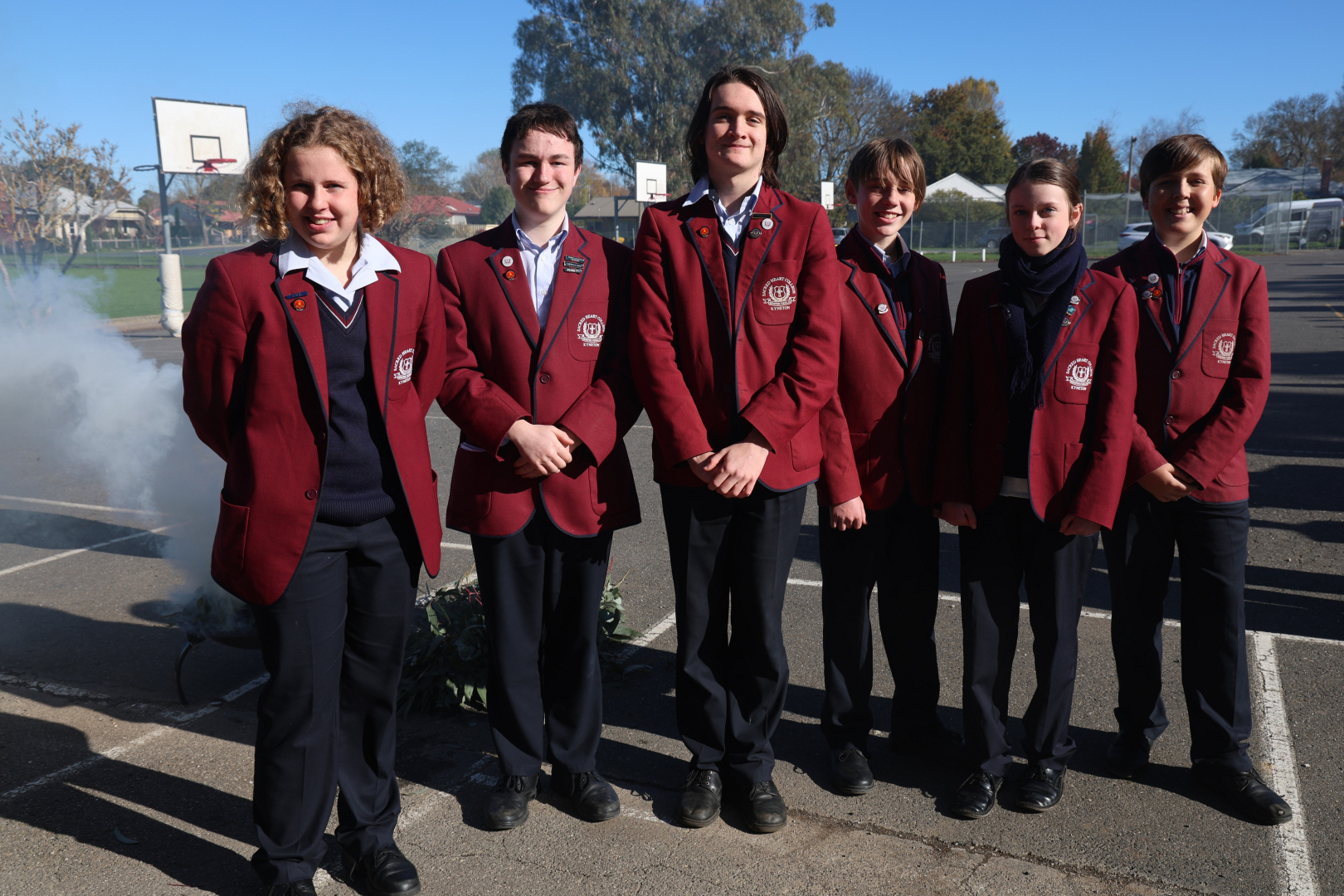
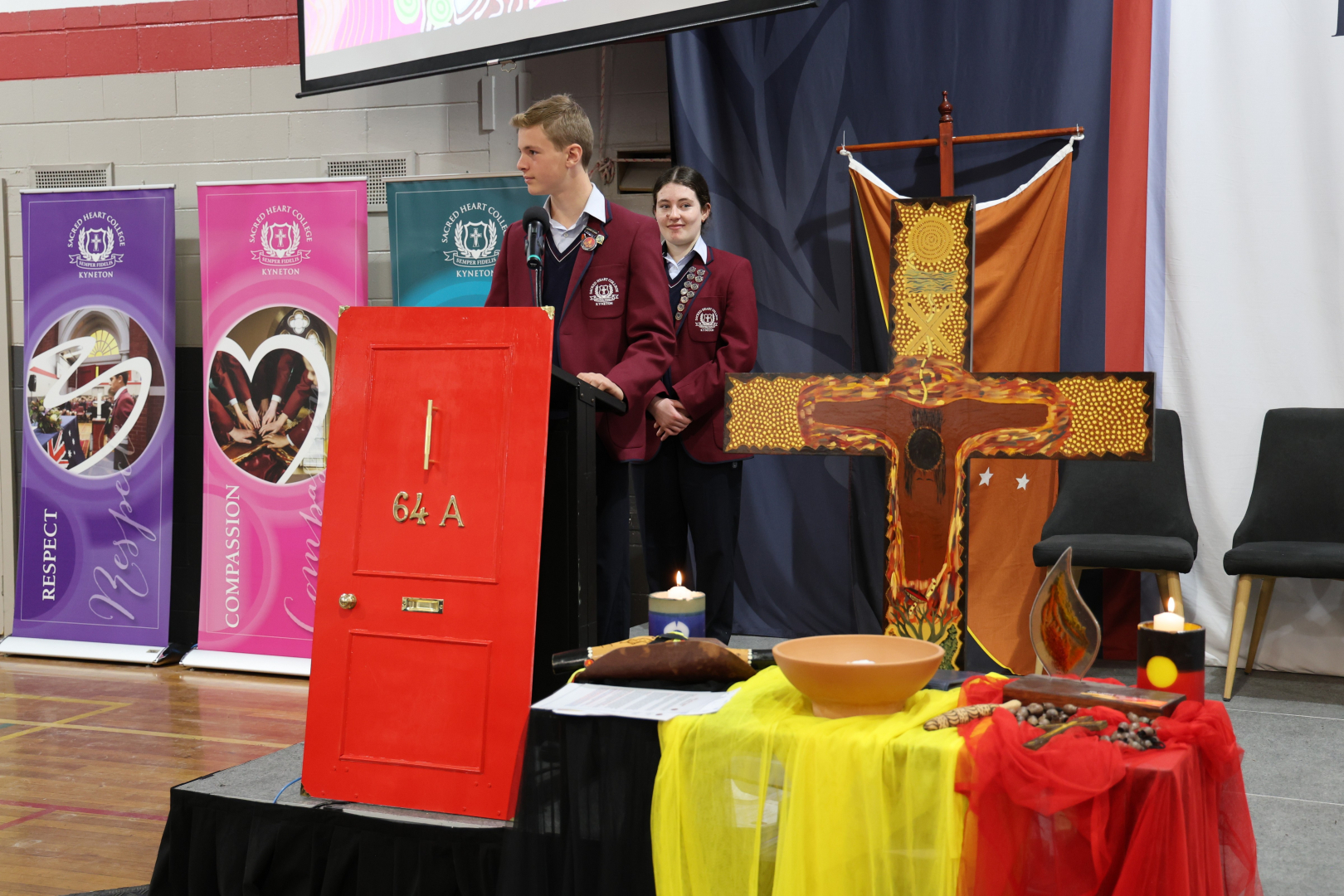
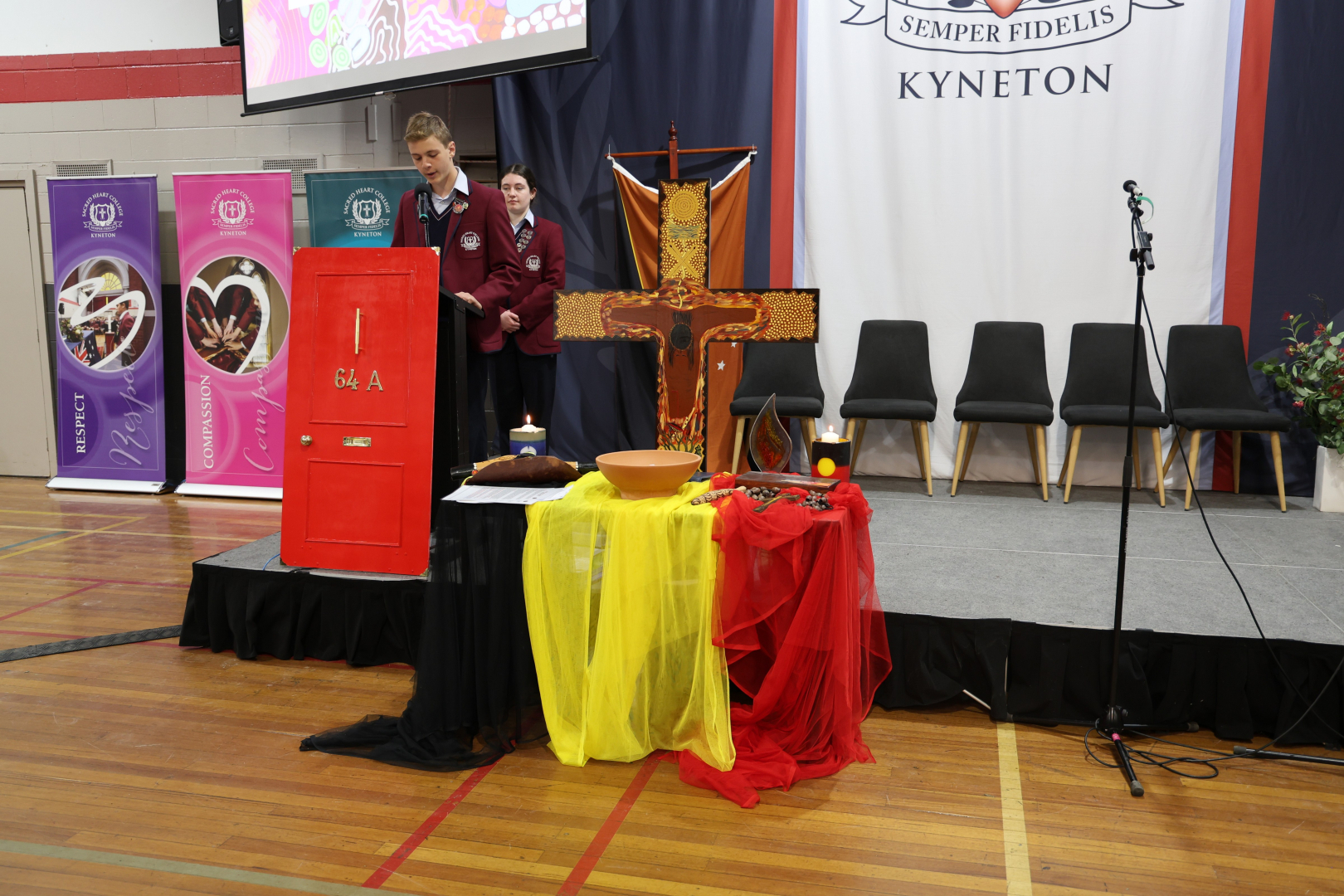
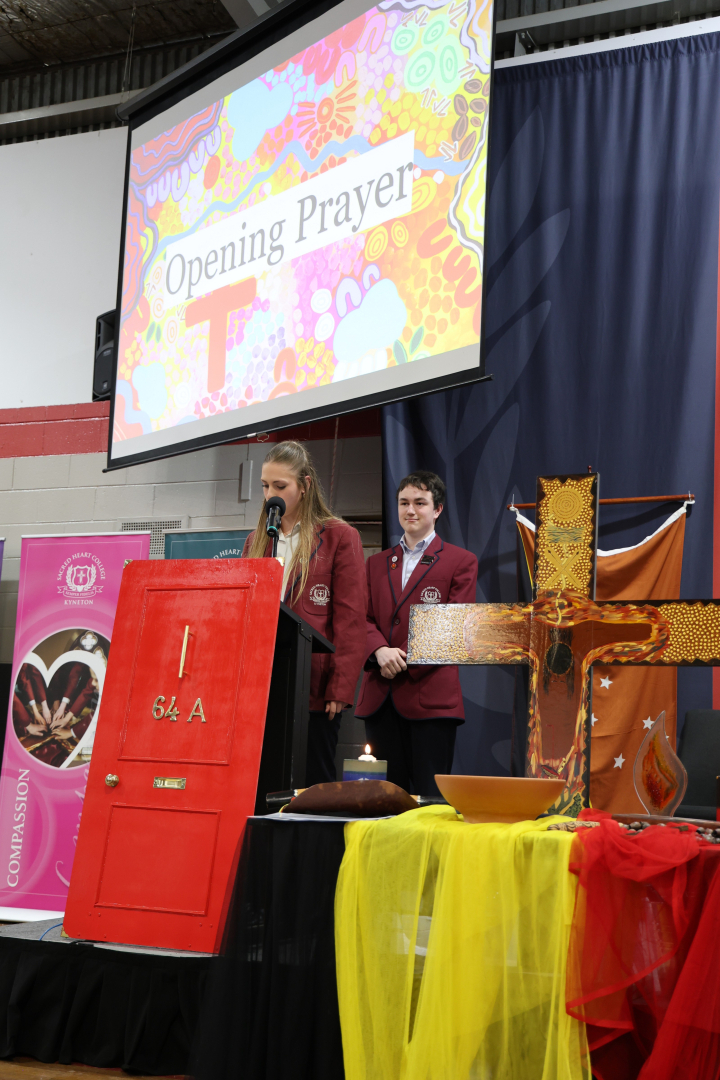
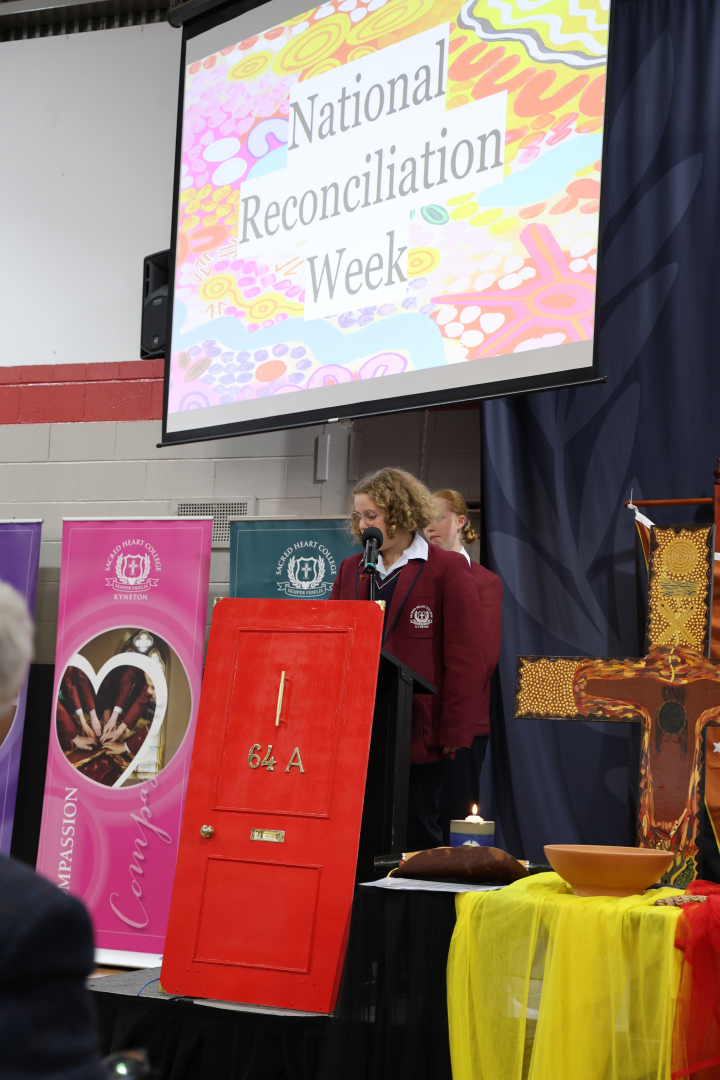
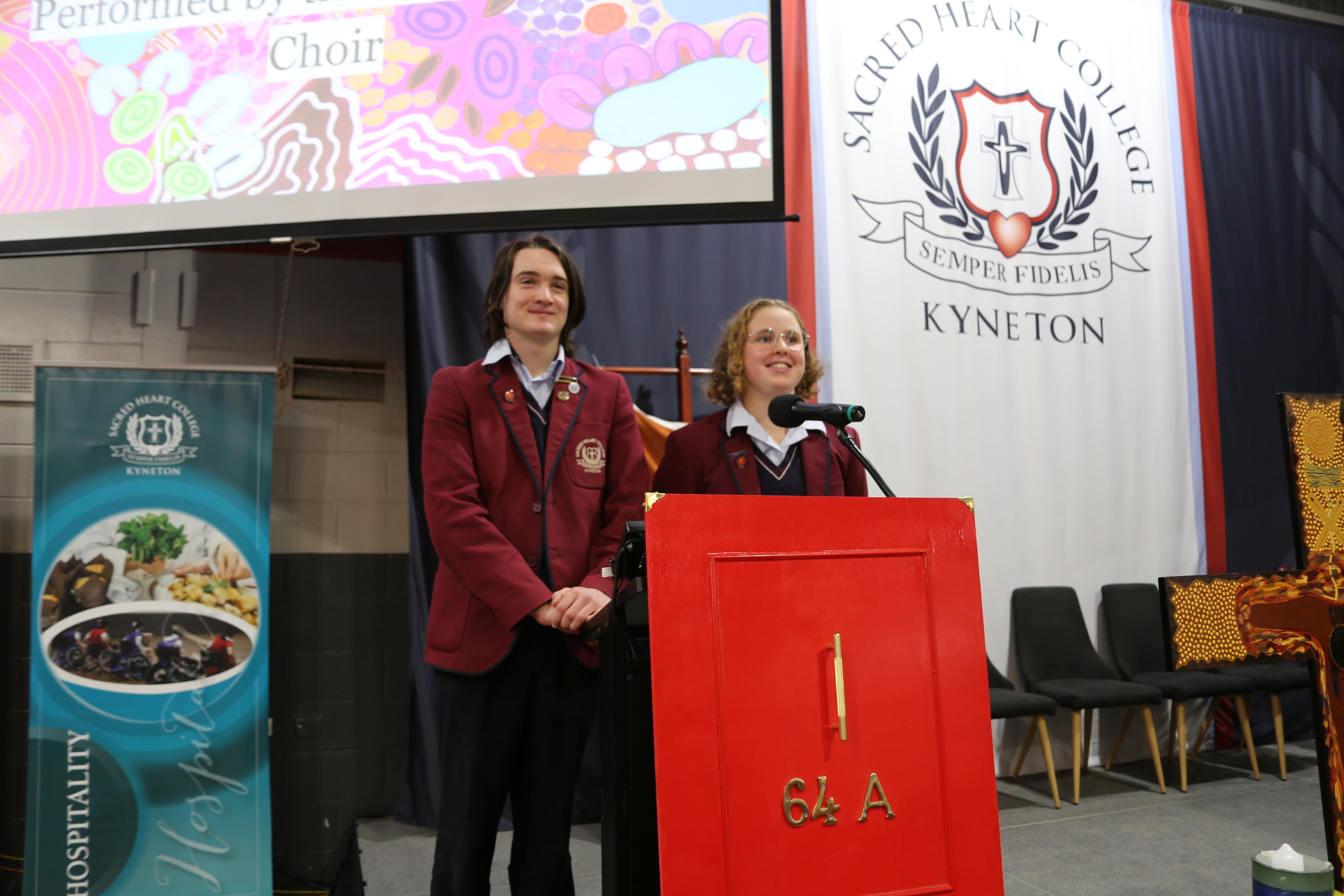
As part of National Reconciliation Week, Sacred Heart College gathered for our annual Makarrata Assembly, an important part of our College calendar and our ongoing commitment to reconciliation, truth-telling, justice, and walking gently and justly alongside First Nations peoples.
The word Makarrata, from the Yolngu language, means “coming together after a struggle.” This spirit shaped the focus of the assembly as students and staff reflected on reconciliation through listening, relationship, and action.
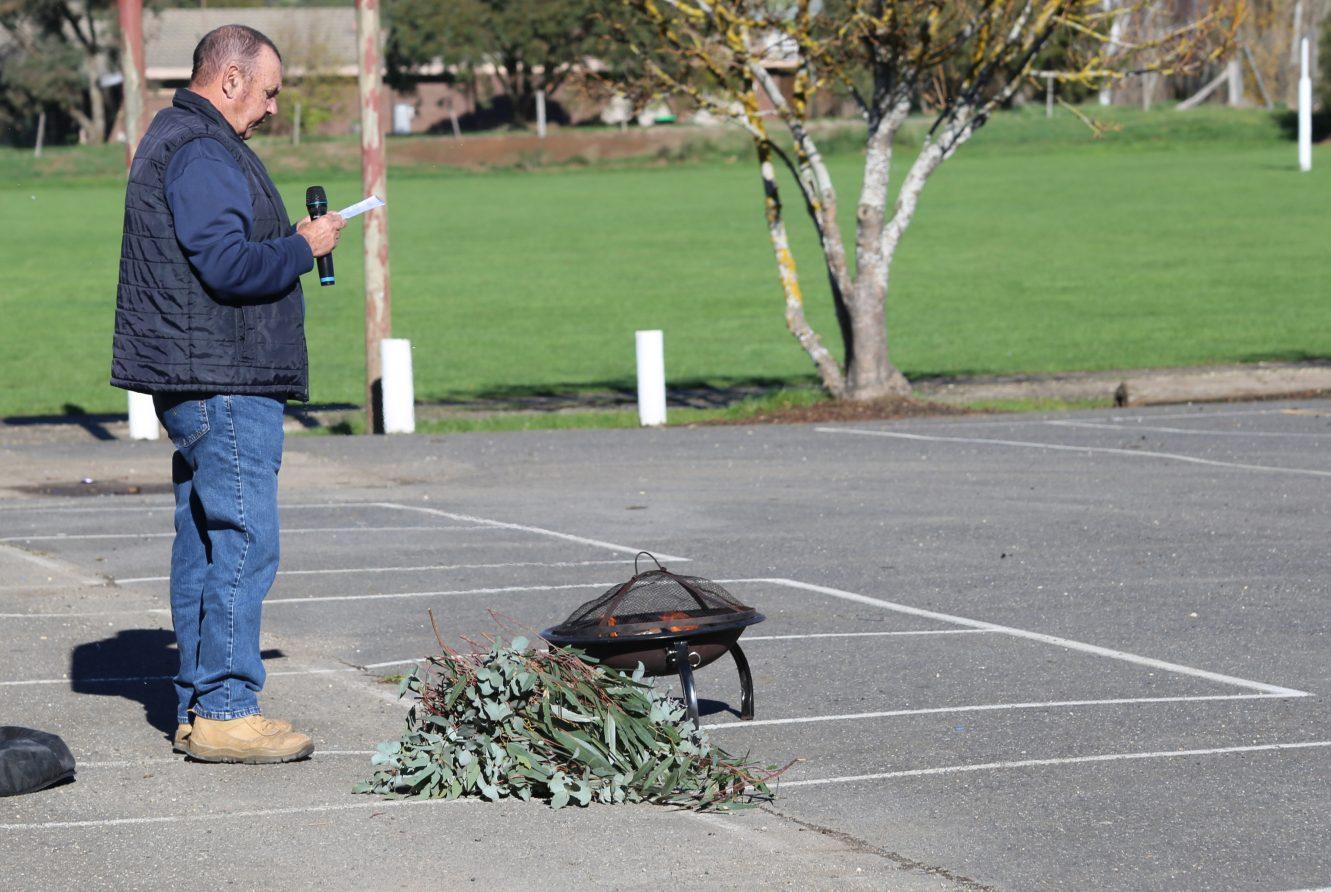
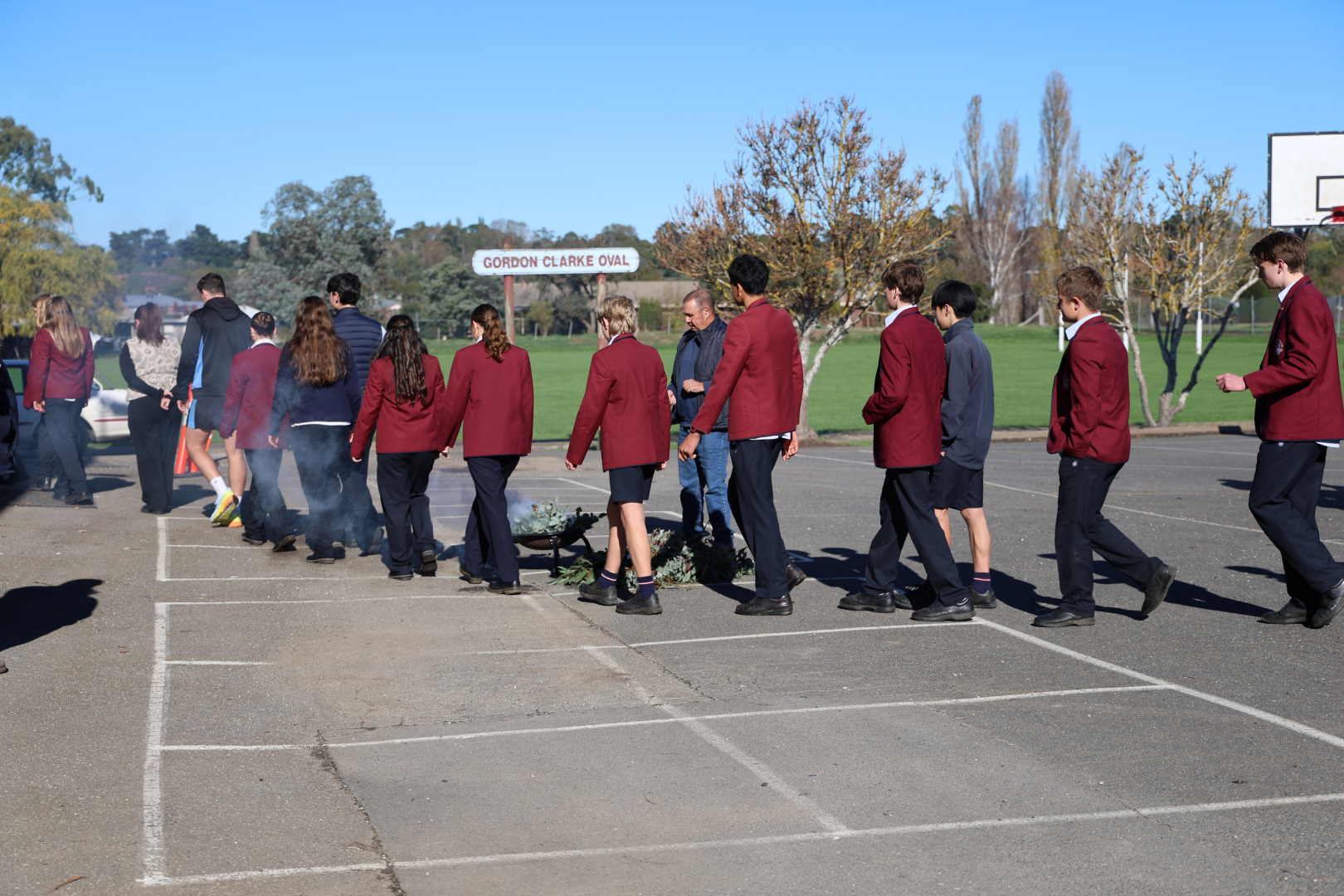
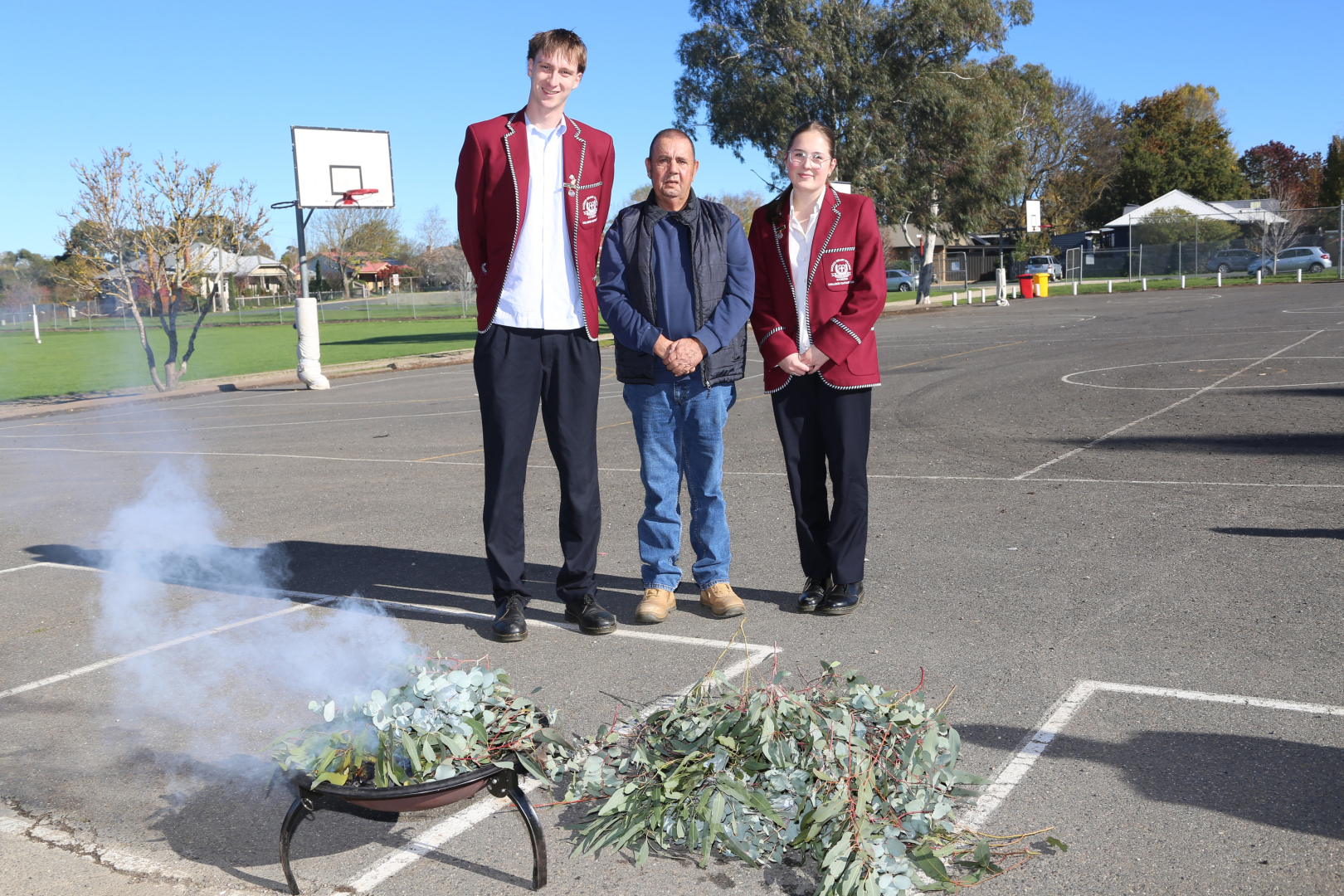
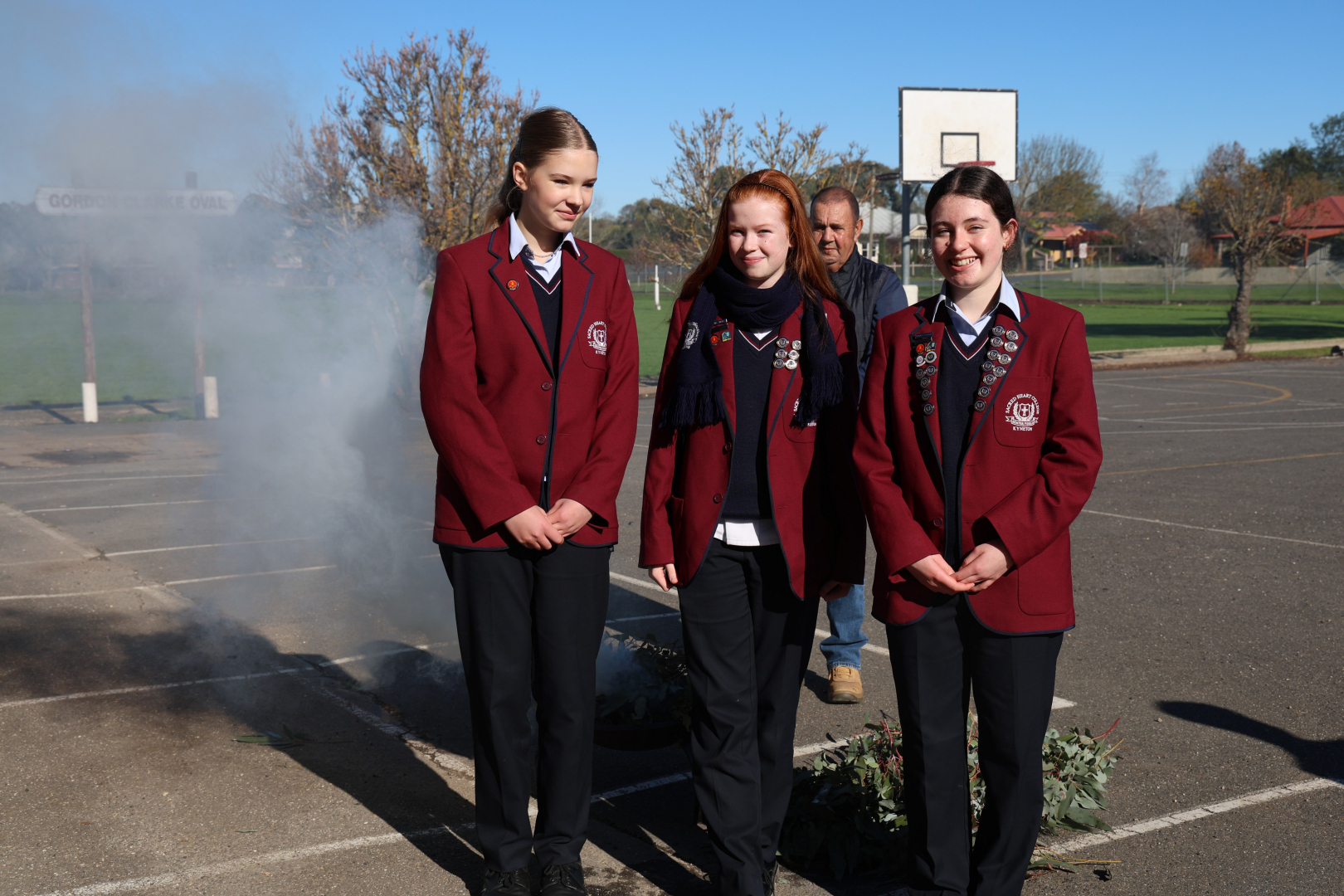
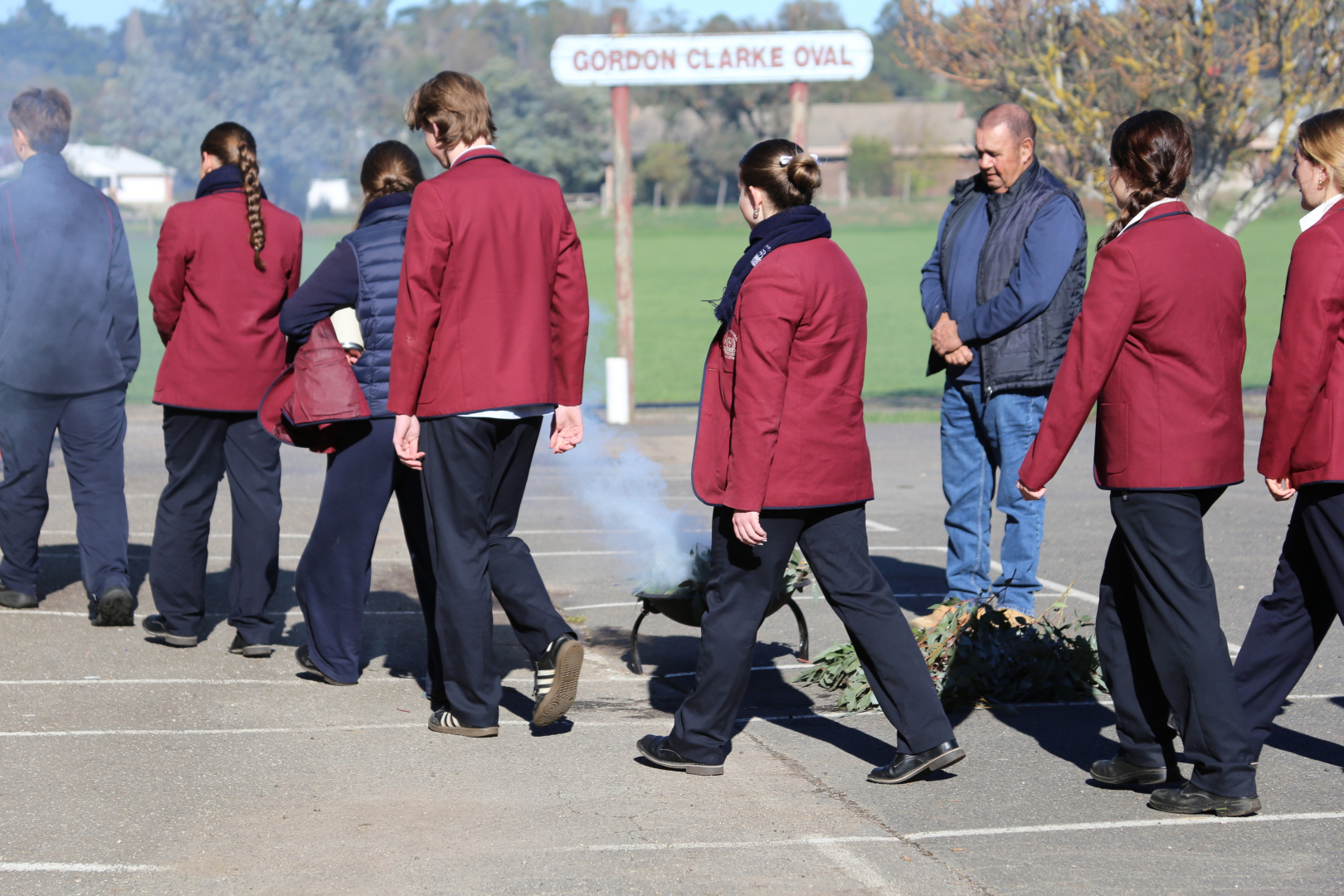
The assembly began with a Welcome to Country and Smoking Ceremony led by Taungurung Elder Peter Moser.
At a time when Welcome to Country ceremonies have unfortunately been mocked publicly, the assembly also provided an opportunity to affirm that, as a Catholic school in the Mercy tradition, we categorically reject racism, exclusion, and intolerance. Guided by the words of Jesus, “Peace be with you,” we are called to be people of peace and right relationship.
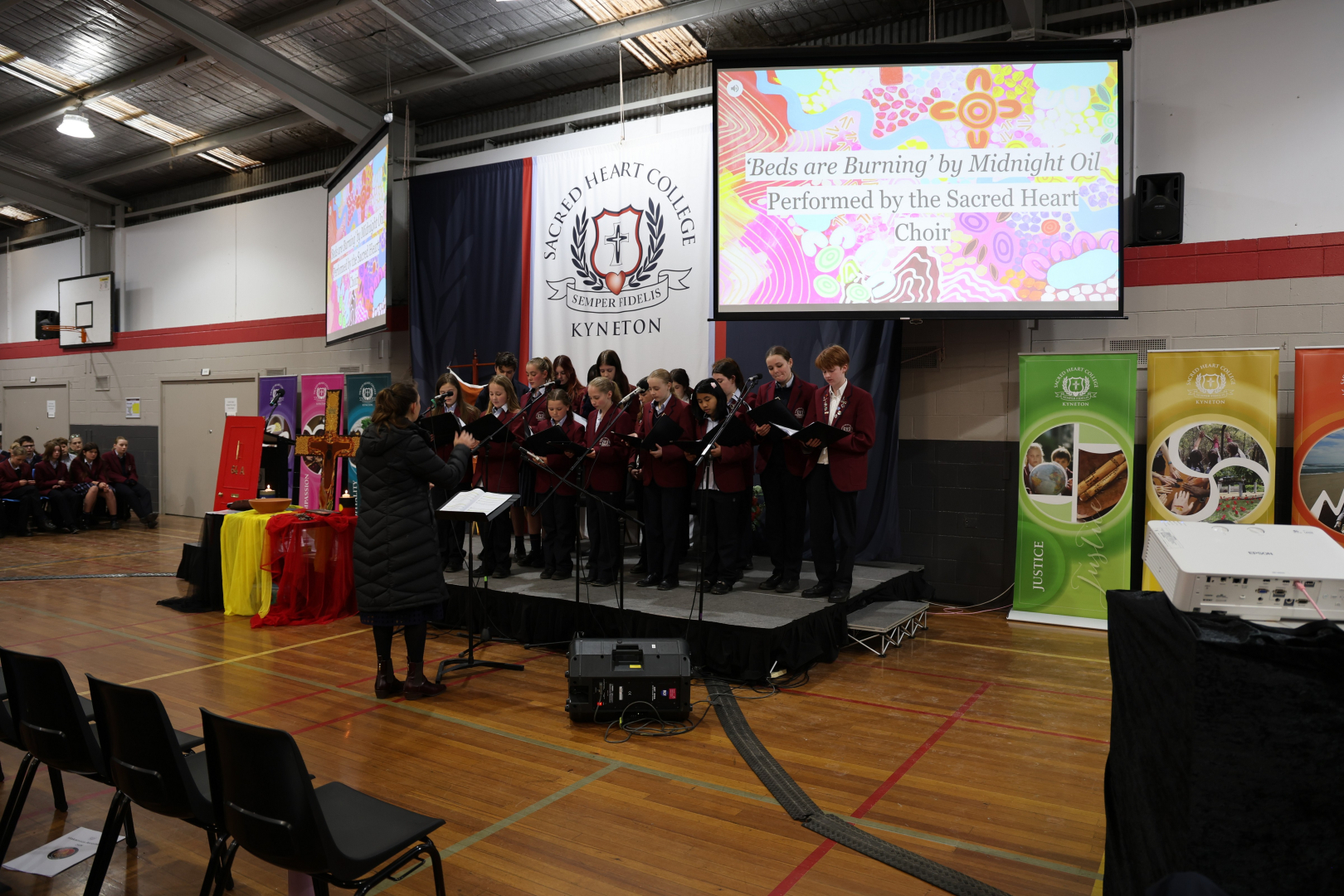
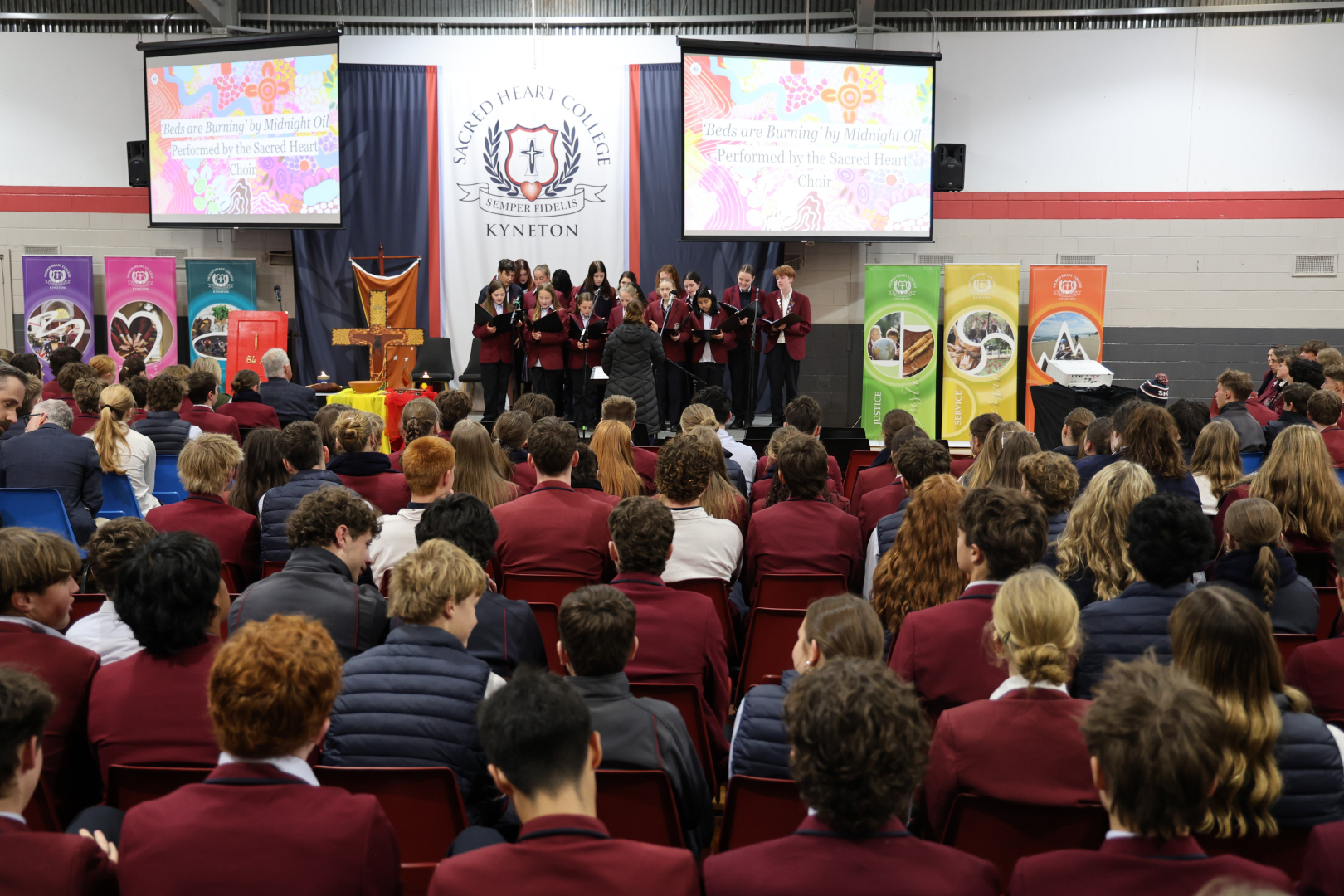
A highlight of the assembly was the Sacred Heart College Choir’s performance of Beds Are Burning as part of the national Voices for Reconciliation initiative.
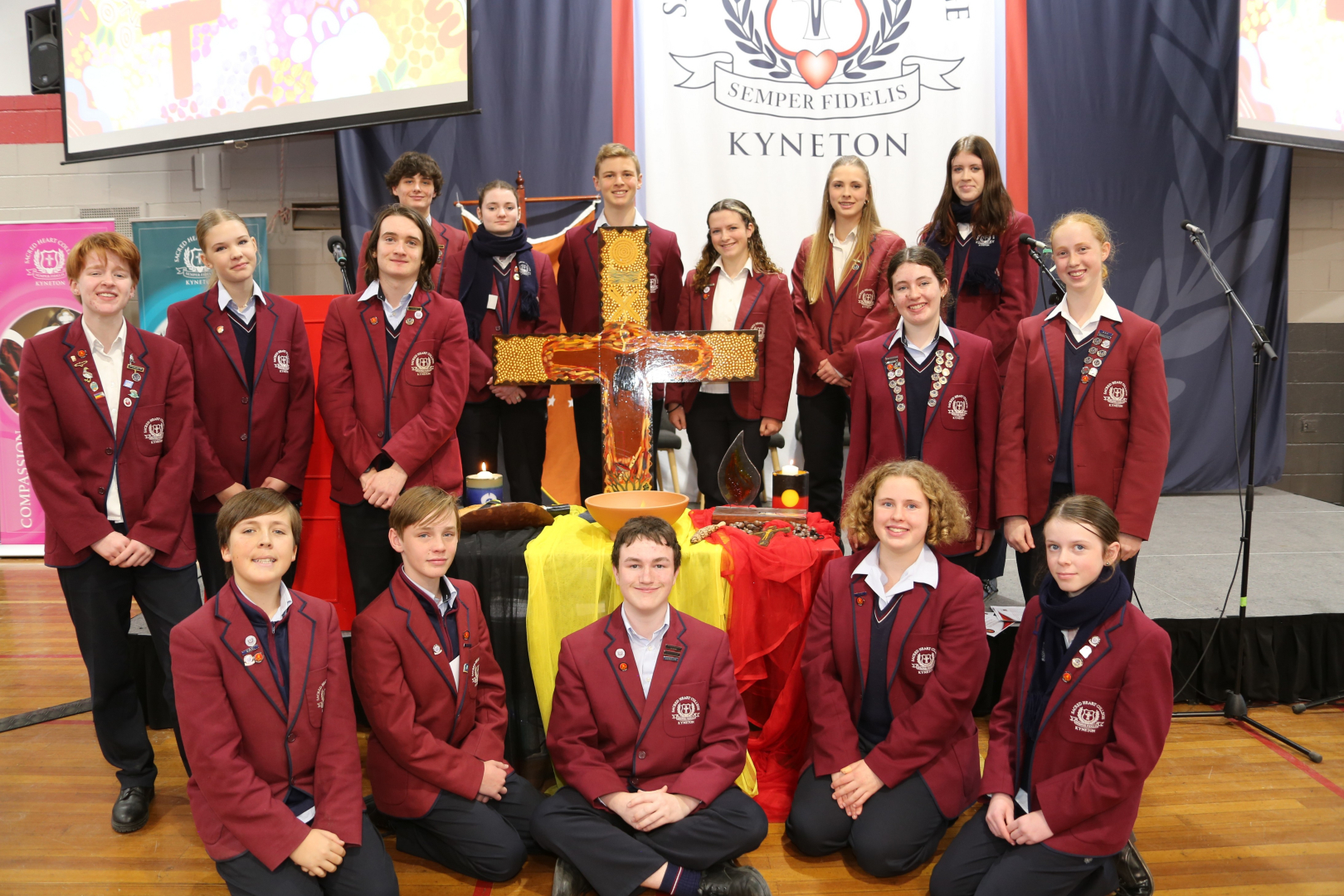
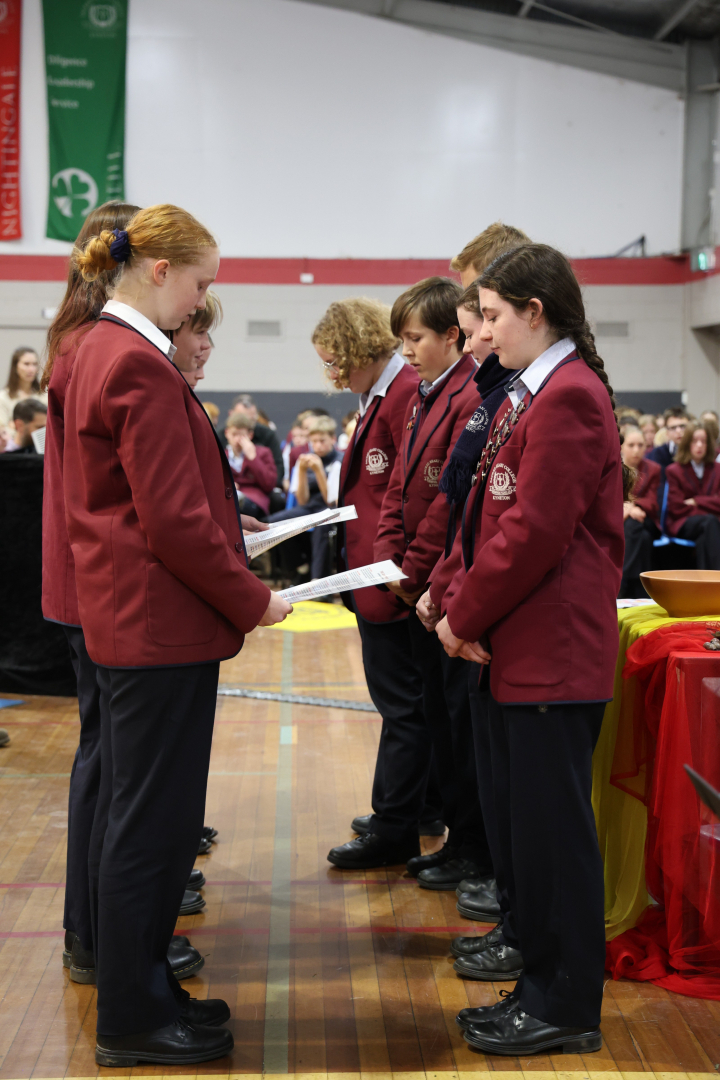
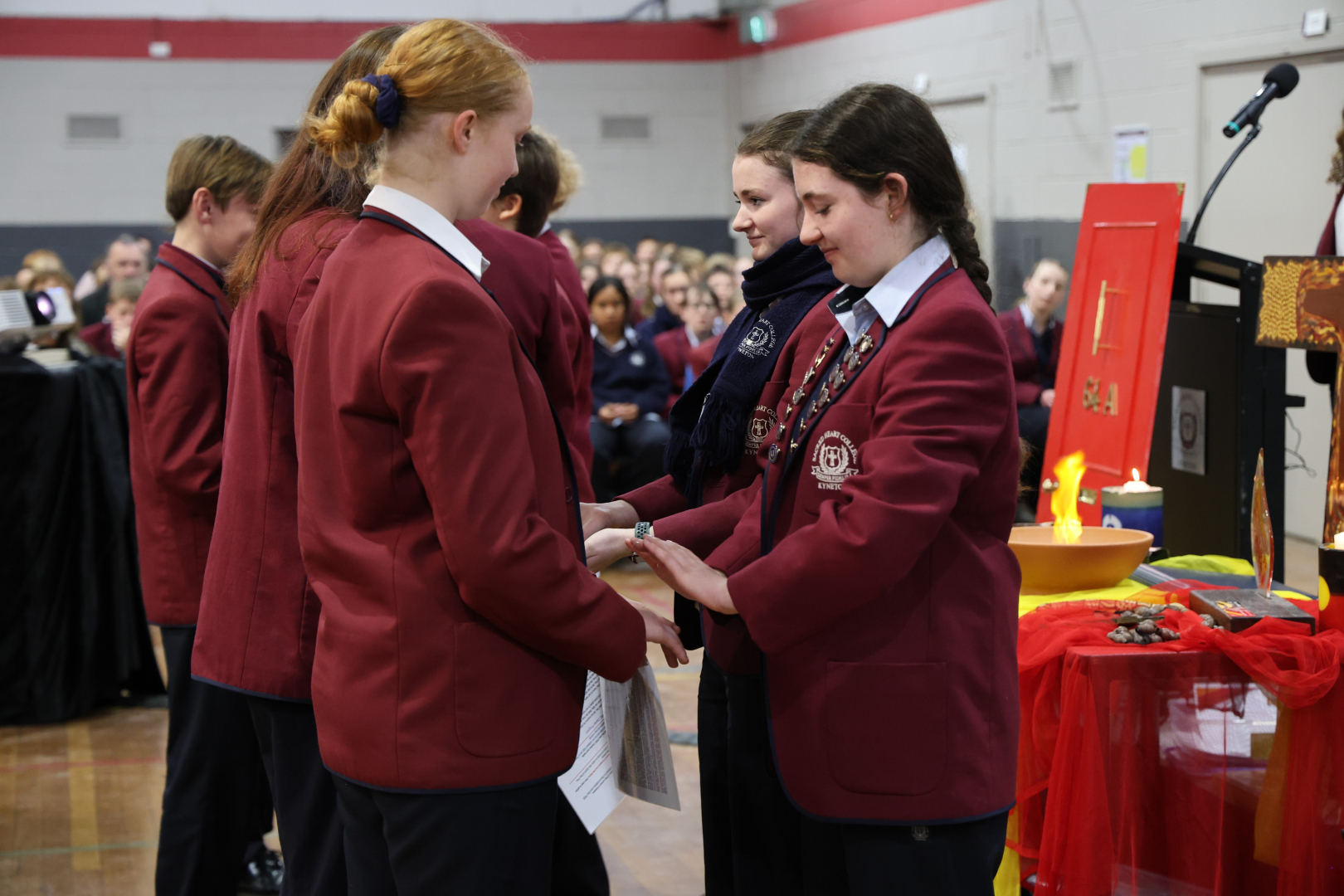
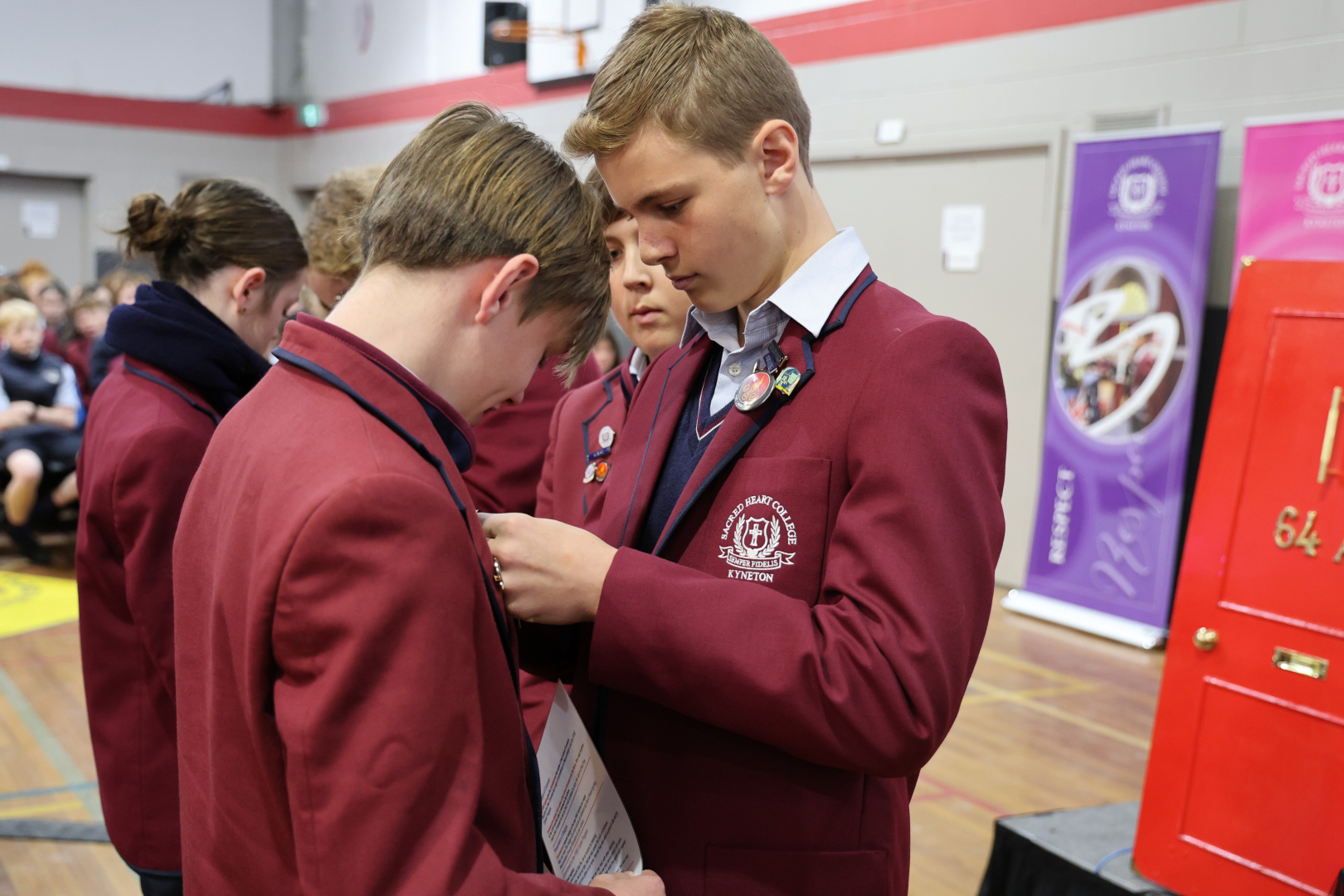
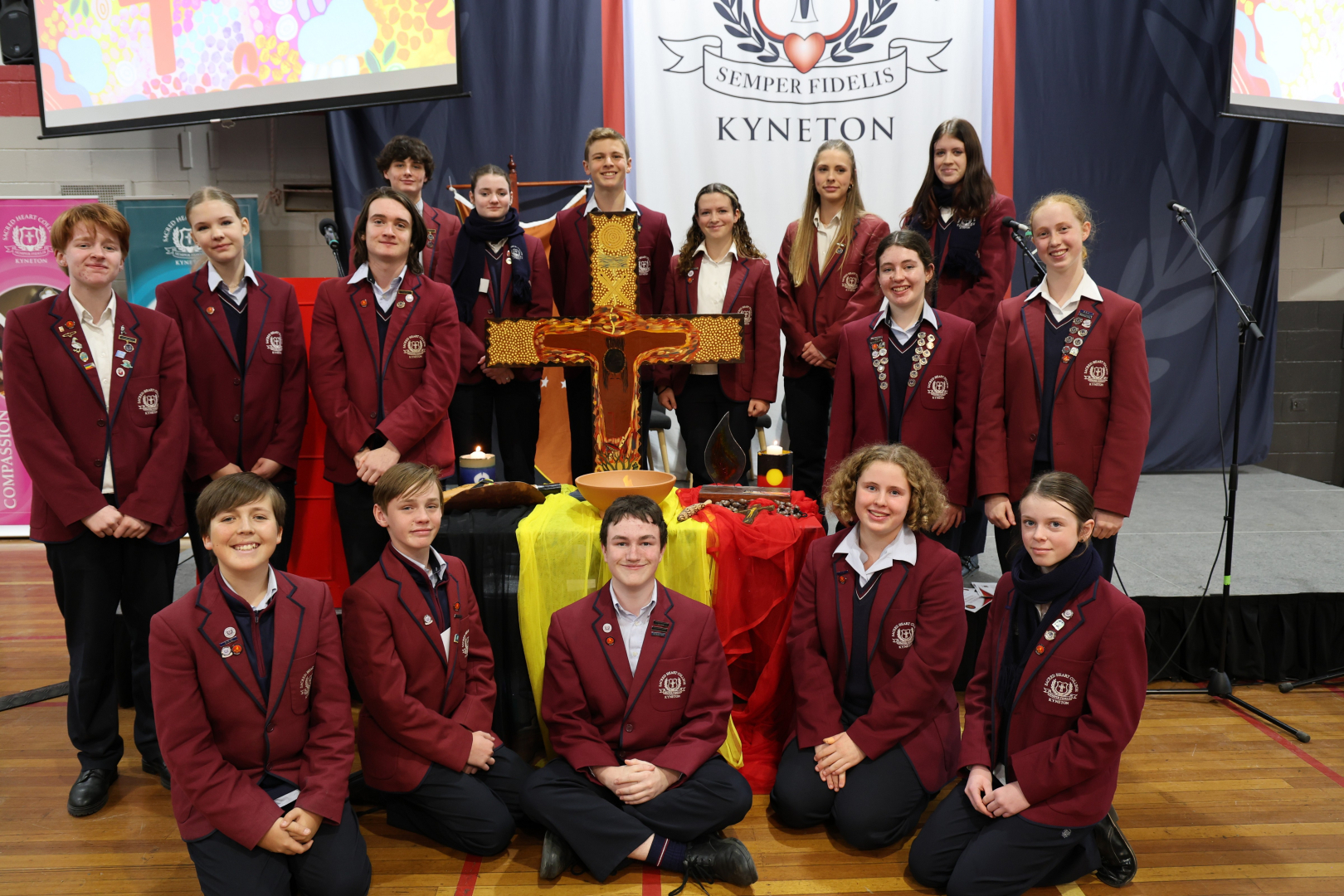
The assembly also included the commissioning of new FIRE Carriers. FIRE stands for Friends Igniting Reconciliation through Education and is a program facilitated through Aboriginal Catholic Ministry. Through prayer, reflection, symbolic ritual, and the presentation of badges and Covenants, students committed themselves to helping Sacred Heart continue growing through reconciliation, spirituality, cultural recognition and awareness, and practical justice.


Magnifica Humanitas: Pope Leo XIV’s First Encyclical on Artificial Intelligence
This week, Pope Leo XIV released his first encyclical, Magnifica Humanitas: On Safeguarding the Human Person in the Time of Artificial Intelligence. The document reflects on the opportunities and challenges of artificial intelligence and reminds readers that technology must always serve human dignity and the common good.
Pope Leo XIV reminds readers that every person possesses an inherent dignity and worth that no technology can replace. Human dignity is not based on achievement, popularity, productivity, or usefulness, but is God-given because every person is created in the image and likeness of God.
A strong theme throughout the encyclical is the importance of love, writing that “the spiritual stature of a person’s life is measured by love.” Throughout the Gospels, Jesus is constantly encountered in relationship with others: listening, welcoming, sharing meals, and building community.
The raises an important challenge for all of us. Around dinner tables where is our attention? Too often, we find ourselves with heads bowed and eyes fixed on screens rather than eyes up, focused on those around us, or even directed toward the heavens as we seek connection with God.
Pope Leo also reflects on the dangers of technology when it begins to diminish authentic human encounter or reduce people to efficiency, productivity, or data. These reflections connect strongly with the ongoing work at Sacred Heart College regarding AI and learning and also mobile phones and the new processes being introduced in Term 3. At the heart of this work is a belief that our learners flourish most fully through authentic relationships and the wise and responsible use of technology.